
The effectiveness of a structure isn’t based the day it opens. The test is more effective five to ten, ten, and twenty years later. Is the restroom still straightforward to maintain? The materials used have they been in a position to withstand weather and continuous use by people? Does the structure still fit naturally within the park? What is most important to consider is how the original idea was translated into a structure that does what it was intended to?
These concerns show that comparing renderings are not enough to determine the most effective park design. Public architecture needs to endure the permitting process bidding, construction, and maintenance, and years of daily usage.
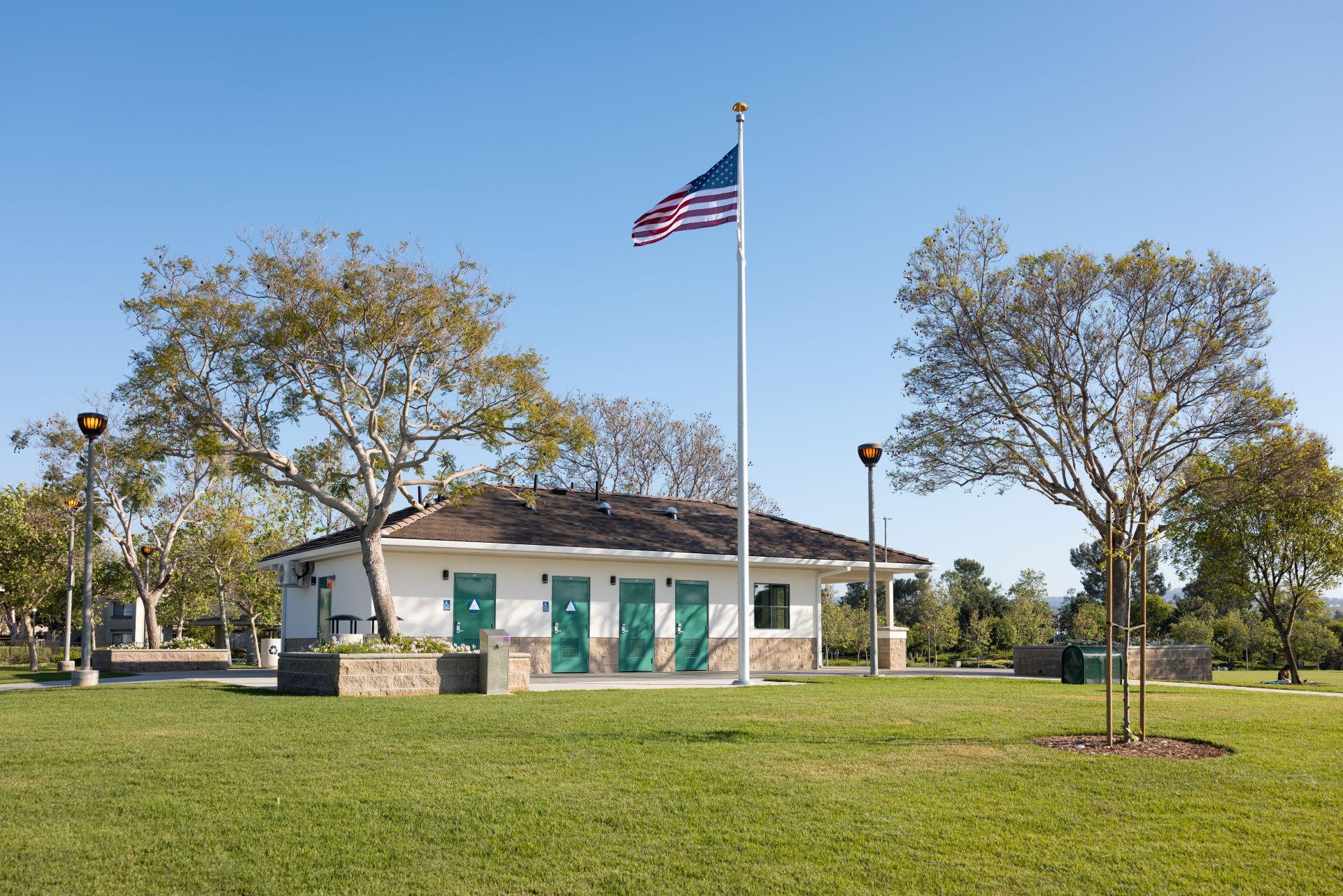
Image credit: romtec.com
Design decisions can have consequences for operations
Take a look at something as basic as an exterior coating. It can affect the appearance of the building, but it can impact cleaning requirements as well as repair costs weather resistance, as well as how easily graffiti can be removed. Roof designs can increase the visual appeal of a place, while making an impact on the drainage and maintenance. Interior layouts influence accessibility, visitor circulation clean-up routines, and fixture placement.
The most successful design of parks’ restrooms should be aware of both the structure and the operations.
Romtec collaborates with landscape architects, contractors as well as municipalities to create custom bathrooms. This is an alternative to standardizing appearances. Materials, shapes, colours as well as fixtures, sidings, and more can be integrated into the development.
The Drawing Needs to Be a Building
Even if a concept looks great on screen but it could cause problems in the real-world when it comes to construction or pricing. The building codes, ADA requirements and local licensed architectural review as and the available components such as structural requirements, construction costs are all things to consider.
Romtec assists with projects by providing preliminary estimates and designs, bid plans specs, renderings, engineered plans, and submittal paperwork. This support helps to take the concept of architecture from initial design through construction and procurement.
When evaluating the best park restroom builder, owners should consider this middle portion of the project carefully. The transition between design and construction is the place where the lack of specifications, faulty materials, and poor coordination could cost a lot of money.
Public Restrooms are Infrastructure
The public restrooms can be overlooked as part of the park. Operationally, they function much more as infrastructure.
In a bathroom that is crowded where families, children and seniors can make use of it at the same time as maintenance workers visitors, maintenance crews, tourists or even visitors who have disabilities. In the case of a plans, planners might have to take into consideration ADA accessibility, durable surfaces, ventilation, utilities, vandal-resistant components, energy efficiency cleaning facilities, as well as anticipated visitor capacity.
A campground is not the same as a central park. A sports facility might experience heavy traffic during games, whereas a neighborhood facility could have a moderate to continuous daily use. The differences in usage should affect the building, not be dealt with after construction.
Budgeting without Planning Everything Out
Cost control in public construction is inevitable But that doesn’t mean that you have to take away every single unique feature.
Designers are able to make better decisions when they know the actual cost. It is possible to divert money from a part that has no operating value to a sturdy material, a more durable fixture, or an architectural element that gives more meaning to the facility.
Romtec has experience in restrooms, as well as other facilities such as pavilions as well as shelters for concessions showers, and multi-purpose spaces. This enables conversations to take place while the design is still flexible.
At the end of the day, a well constructed park toilet is highly effective since its users don’t need to be concerned about the toilet. It’s convenient and accessible, in line with its surroundings, reliable, and designed to last for a long time. The secret behind that simplicity is a surprisingly detailed combination of engineering, architecture budgeting, documentation, and construction planning.