
The opening day isn’t the best time to assess the success of a park. In five, ten or twenty years after opening, is a good moment to examine the park. Are the restrooms still simple to maintain? The materials used have they been able to withstand the weather and use for a long time by the public? Does the structure blend in with the surrounding park? What’s most important is did the original design look like? Was it implemented into a structure which does what it was intended to?
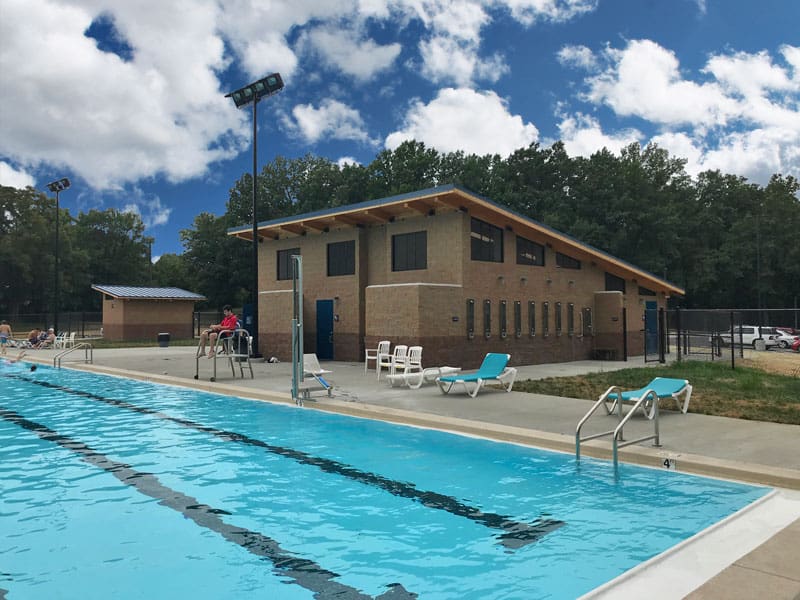
Image credit: romtec.com
Those questions illustrate why selecting the best park building designer involves more than comparing attractive renderings. Public architecture must withstand the permit process, bidding, construction and maintenance, as well as years of daily usage.
Design Decisions have Operational Consequences
Think about something as basic as the surface of an exterior. It has an impact on appearance however it could impact cleaning requirements, repair costs weather resistance, as well as the ease with which graffiti can be addressed. The design of the roof affects drainage and maintenance as well as the appearance of the space. The design of the interior layout could affect the accessibility of a park, as well as visitor circulation, cleaning procedures, and fixture placement.
The top designers of park restrooms must take into account both the design and the operational aspects.
Romtec works closely with municipalities, contractors, and other parties to design bathrooms that are custom-designed instead of limiting the design of projects to a small selection of common designs. Materials, shapes, and colors can be matched to the surrounding area.
The drawing must become an actual building
A concept may look excellent on screen but still cause problems when pricing or construction begins. All of these factors will be considered, including construction codes, ADA regulations, local architectural review, materials available, structural requirements, construction costs, etc.
Romtec offers assistance to projects with preliminary designs, estimates and bid plans. We also offer specifications, renderings and engineered plans, too. This involvement helps to carry the architectural concept from early planning through procurement and construction.
Owners should be mindful of the middle of their project when looking for the best builder for parks restrooms. In the transitional phase between construction and design inadequate specifications, improbable choices for materials, and a lack of coordination could cost you a lot.
Public Restrooms are Infrastructure
It is easy to imagine bathrooms for public use as a complement to the bigger park. They’re more of an infrastructure, not much else.
A bathroom that is busy can serve families and children, seniors and athletes, tourists, maintenance workers, and other visitors who have disabilities all throughout the day. Depending upon the plan, the planners may need to consider ADA accessibility, as well as durable surfaces utility, vandal resistance as well as energy efficiency and cleaning accessibility.
A campground has different requirements unlike a park in the city. Sports facilities can experience an intense amount of traffic centered around games, while a neighborhood facility might see some moderate, but regular use. Instead of addressing these distinctions in the aftermath of construction, they should influence the design of the structure.
Budgeting without planning everything out
In public construction, it’s impossible to get around cost control, but this does not mean that every feature should be removed.
Knowing the cost of construction and materials in advance will help designers make more informed decisions. An element with minimal value for operation can be changed into a stronger or functional material or an architectural component that is more valuable.
Romtec’s expertise in restrooms concessions, pavilions and restrooms shelters, showers, and multi-purpose facilities permits these conversations to occur while designs are still flexible.
A well-designed bathroom in a park is successful because it’s seldom a problem for guests. It’s user-friendly and is accessible, in tune with the surroundings, durable and built to last for a long time. The secret behind that simplicity is an astonishingly complex mix of engineering, design, budgeting and documentation as well as construction planning.